
Mustard (Sarson / Khardal) in Tibb-e-Nabawi

A Seed of Power, Precision & Divine Wisdom
Mustard, known as Khardal (خردل) in Arabic and Sarson in South Asia, is a powerful seed valued in classical Islamic medicine (Unani) for its warming and stimulating nature. Beyond its medicinal use, mustard holds a unique place in Islam, as it is explicitly mentioned in the Qur’an as a symbol of precision, accountability, and divine justice.
In Tibb-e-Nabawi, such seeds are not only evaluated for physical benefit, but also for the spiritual lessons they carry.
🌱 Mustard Seed in the Qur’an
Allah ﷻ mentions the mustard seed to demonstrate how even the smallest thing is never overlooked:
“O my son, indeed if it is the weight of a mustard seed and it is within a rock or in the heavens or in the earth, Allah will bring it forth.”
(Surah Luqman 31:16)
These verses show:
The extreme smallness of the mustard seed
Allah’s perfect knowledge and justice
That nothing is insignificant in creation
This Qur’anic mention elevates mustard from a simple seed to a symbol of divine precision.
Mustard in Classical Islamic Medicine
Classical Muslim physicians described mustard as:
Strongly warming and penetrating
Dissolving thick humors (especially phlegm)
Stimulating digestion and circulation
It was used carefully, knowing its power, which perfectly reflects the Qur’anic theme:
👉 Small in size, great in effect.
Temperament of Mustard
According to Unani medicine:
Temperament: Hot & Dry
Effect: Warming, stimulating, dissolving
Best for: Cold temperament, sluggish digestion, excess phlegm
Because of its intensity, mustard must be used sparingly.
Health Benefits of Mustard
🌿 1. Stimulates Digestion & Appetite
Mustard:
Awakens weak digestion
Stimulates appetite
Reduces heaviness and bloating
Especially useful in cold or phlegmatic conditions.
🫁 2. Clears Phlegm & Congestion
Traditionally used for:
Chest congestion
Cold-related cough
Excess mucus
Its warming nature helps expel phlegm.
🩸 3. Improves Circulation
Mustard:
Warms cold limbs
Improves blood flow
Reduces stiffness
Helpful in cold climates and sluggish circulation.
🦴 4. Supports Joints & Muscles (External Use)
Mustard oil and poultices were used for:
Joint stiffness
Muscle discomfort
Cold-induced pain
⚠️ Always used gently and for short durations.
How Mustard Is Traditionally Used
✔ Small quantities as seasoning
✔ Mustard oil for external massage
✔ Warm poultices (with caution)
Excess use is discouraged.
Who Should Be Careful?
Mustard should be limited by:
People with excess heat
Those with acidity or ulcers
Sensitive digestion
Power requires restraint—a key Sunnah principle.
Spiritual & Lifestyle Reflection
The mustard seed teaches us:
Nothing is insignificant to Allah ﷻ
Small actions carry great weight
Power lies in precision, not size
Just as a mustard seed is tiny yet powerful, moderate use brings benefit, excess brings harm.
Conclusion
Mustard (Khardal / Sarson) is not only a medicinal seed in Tibb-e-Nabawi and Unani medicine, but also a Qur’an-mentioned symbol of divine justice and precision. When used wisely, it supports digestion, circulation, and strength. When misused, it causes harm—perfectly reflecting the Islamic principle of balance (Wasatiyyah).
 Roghan Balsan, is a precious and ancient oil historically associated with the blessed land of Badr (Saudi Arabia). Known in classical Unani and Tibb-e-Nabawi traditions, this oil has long been valued for its warming, strengthening, and restorative properties. Infused with olive oil, it becomes gentle yet deeply effective for both internal balance (when advised) and external use.
 1. Supports Vitality & Strength
 Allah ﷻ says in the Qur’an:
 Daily Wellness:

 ⭐ 3. Supports Weight Balance
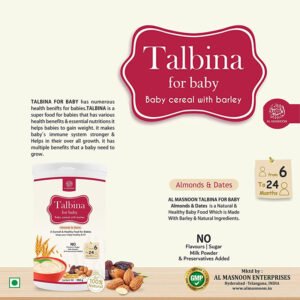 ⭐ 1. Talbeena (Barley Porridge)
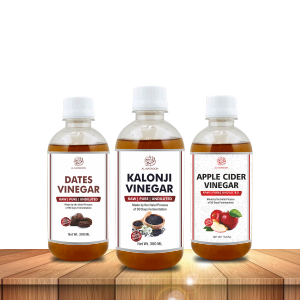 Vinegar — especially date vinegar and grape vinegar — is one of the most beautiful examples of how simple foods carry immense barakah in the Sunnah.
 ⭐ 1. Improves Digestion & Gut Health
 ⭐ 4. Heart-Protective
 ⭐ 2. Salad Dressing
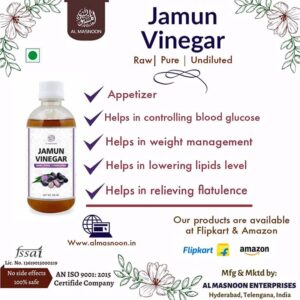 ⭐ 5. Vinegar + Honey