
Barley in Tibb-e-Nabawi: A Healing Grain of Strength, Comfort & Prophetic Purity


Barley — known in Arabic as Sha’eer (شَعِير) — is one of the most important healing foods in Prophetic medicine.
It was the grain most used in the home of the Prophet ﷺ, recommended for the sick, and served as nourishing bread, soup, and porridge.
Barley is:
healing
cooling
gentle
grounding
excellent for digestion
comforting for illness and grief
From Talbeena to barley bread, this grain carries immense Sunnah value.
📜 Barley in the Sunnah
⭐ 1. Barley porridge (Talbeena) recommended by the Prophet ﷺ
Aisha (RA) said:
“The Messenger of Allah ﷺ said:
‘Talbeena comforts the heart of the sick and removes some sorrow.’”
— Sahih al-Bukhari, 5689
Barley was used:
for emotional comfort
for illness recovery
for weak digestion
for sadness and grief
⭐ 2. Barley bread was the Prophet’s ﷺ regular bread
Anas (RA) described the Prophet’s bread:
“The Prophet ﷺ never ate fine wheat bread; he ate barley bread.”
— Riyad as-Salihin, 490
This shows the simplicity, purity and healthiness of barley over refined wheat.
⭐ 3. Barley soup was served to the sick
When someone was ill, barley soup (Hisa’ or Sawiq Sha’eer) was prepared for them.
It was the Sunnah healing soup, gentle and comforting.
🌿 Why Barley Is Special in Tibb-e-Nabawi

Barley is:
cooling (reduces heat in the body)
moistening (balances dryness)
easy to digest
high in fiber
naturally calming
In Prophetic medicine, barley is used to heal:
the stomach
the heart
the emotions
grief
the digestive system
inflammation
It is a grain of healing and comfort.
🌱 Health Benefits of Barley
⭐ 1. Excellent for Digestion & Gut Health
Barley is rich in:
soluble fiber (beta-glucan)
digestive enzymes
gut-friendly nutrients
It:
softens stool
relieves constipation
reduces acidity
feeds beneficial gut bacteria
helps food move smoothly
⭐ 2. Calms the Heart & Mind (Emotional Healing)
As mentioned in Sahih Hadith:
Barley comforts the heart
Reduces sorrow
Stabilizes mood
Soothes emotional stress
Ideal for:
grief
anxiety
emotional instability
 ⭐ 3. Supports Weight Balance
 ⭐ 3. Supports Weight Balance
Barley:
increases fullness
reduces cravings
stabilizes blood sugar
improves metabolism
Supporting both weight loss and healthy weight gain (depending on how it’s eaten).
⭐ 4. Controls Blood Sugar & Improves Insulin Sensitivity
The fiber in barley slows digestion, which helps:
reduce sugar spikes
support diabetics
balance hormones
⭐ 5. Heart-Protective & Anti-Inflammatory
Barley:
reduces cholesterol
improves circulation
lowers blood pressure
supports long-term heart health
One of the best grains for cardiovascular wellness.
⭐ 6. Strengthens the Stomach & Liver
Classical Islamic medicine widely used barley for:
weak stomach
liver heat
indigestion
post-illness weakness
Its cooling nature makes it gentle during fevers.
⭐ 7. Boosts Immunity
Barley supports immune function through:
vitamins
minerals
antioxidants
gut strengthening
🥣 Sunnah Ways to Use Barley
 ⭐ 1. Talbeena (Barley Porridge)
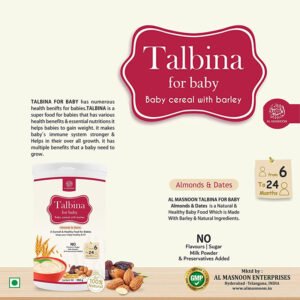 ⭐ 1. Talbeena (Barley Porridge)
The most famous Sunnah recipe.
Made with:
barley flour
milk or water
honey
Used for:
emotional comfort
illness recovery
digestion
stress relief
⭐ 2. Barley Soup
A gentle, soothing soup for:
fever
weakness
stomach issues
Traditionally made with barley + water + milk or broth.
⭐ 3. Barley Bread
The Prophet ﷺ mostly ate barley bread — thick, simple, rustic, and healthy.
⭐ 4. Barley Water
Barley boiled in water → a Sunnah drink used for:
kidney health
hydration
fever
digestion
urinary irritation
⭐ 5. Barley with Dates or Honey
A nourishing combination that:
boosts energy
strengthens digestion
balances body warmth
⭐ 6. Barley Flour in Desserts
Used in traditional Hijazi and Arabian sweets.
Healthier than refined wheat.
⚠️ Precautions
People with very cold digestion should add warming ingredients (like cinnamon).
Avoid overconsumption if you feel bloated easily.
For diabetics, avoid sweetened barley dishes.
💛 Spiritual Reminder
Barley is a Sunnah grain of comfort, linked to the emotional healing and compassion of the Prophet ﷺ.
It nourishes not only the stomach —
but the heart, the mind, and the soul.
When you eat barley with Sunnah intention, you:
follow the example of Rasulullah ﷺ
receive healing through a blessed food
embrace simplicity and purity
Say:
“O Allah, place barakah and shifaa in this provision.”


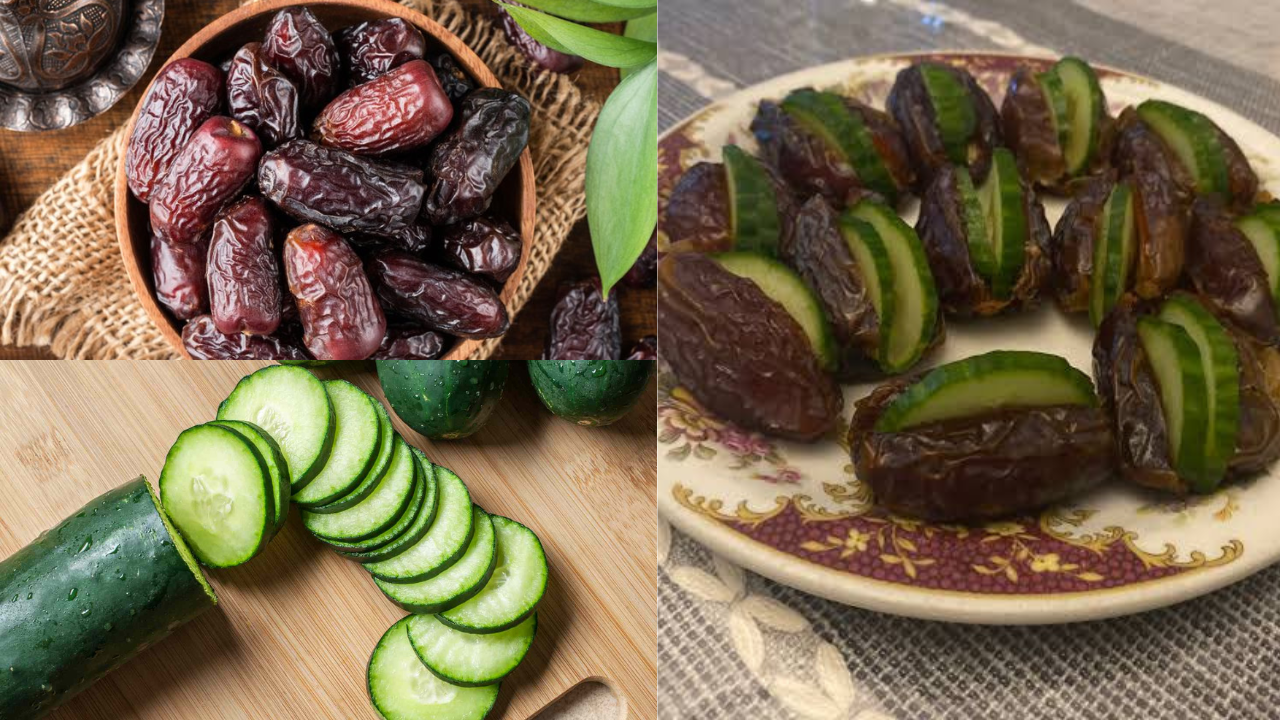
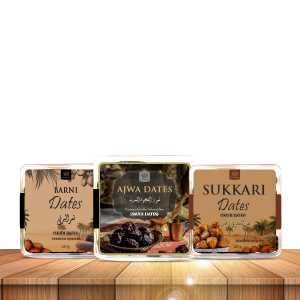 🌿 Why Dates Are Special in Tibb-e-Nabawi
 ⭐ 1. Instant Natural Energy
 ⭐ 6. Great for Pregnancy & Childbirth
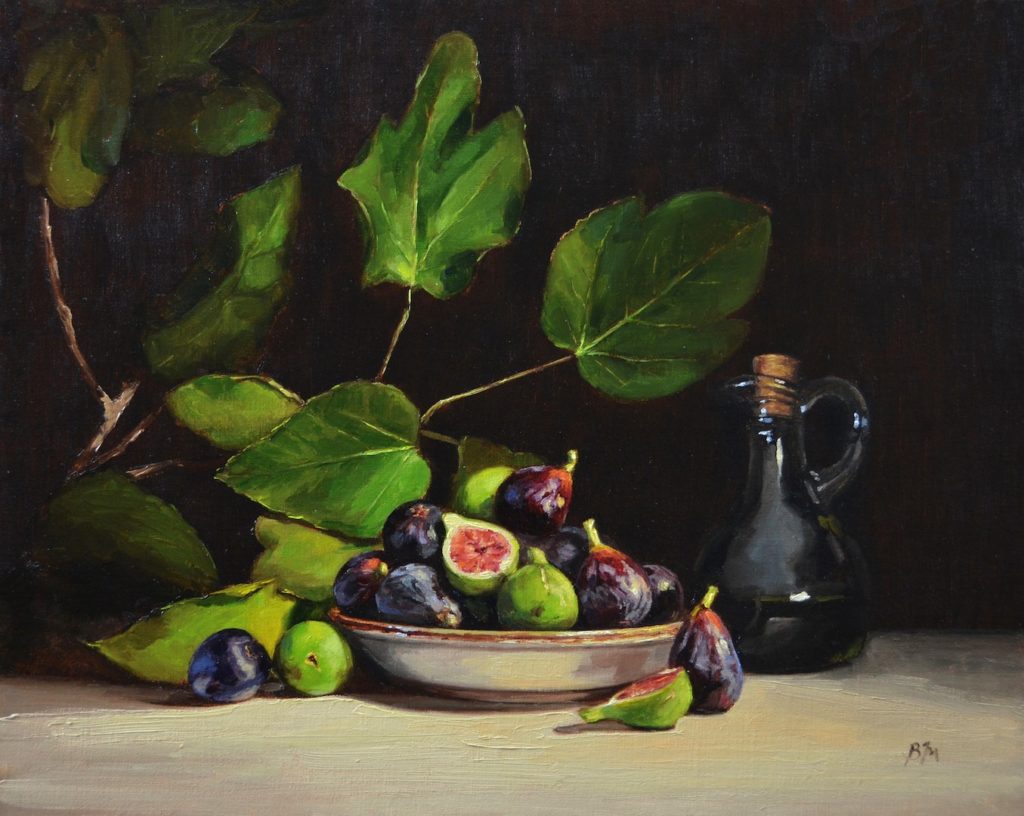
 🌿 Olives in Sunnah & Early Islamic Tradition
 ⭐ 4. Strengthens Bones & Joints


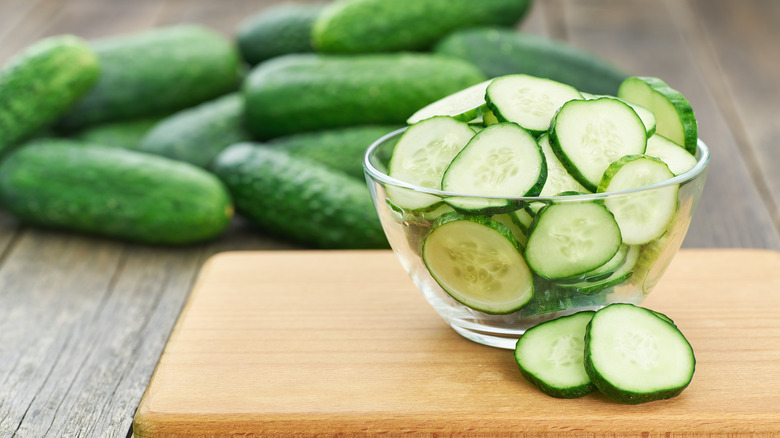



 ⭐ 1. Powerful Digestive Aid
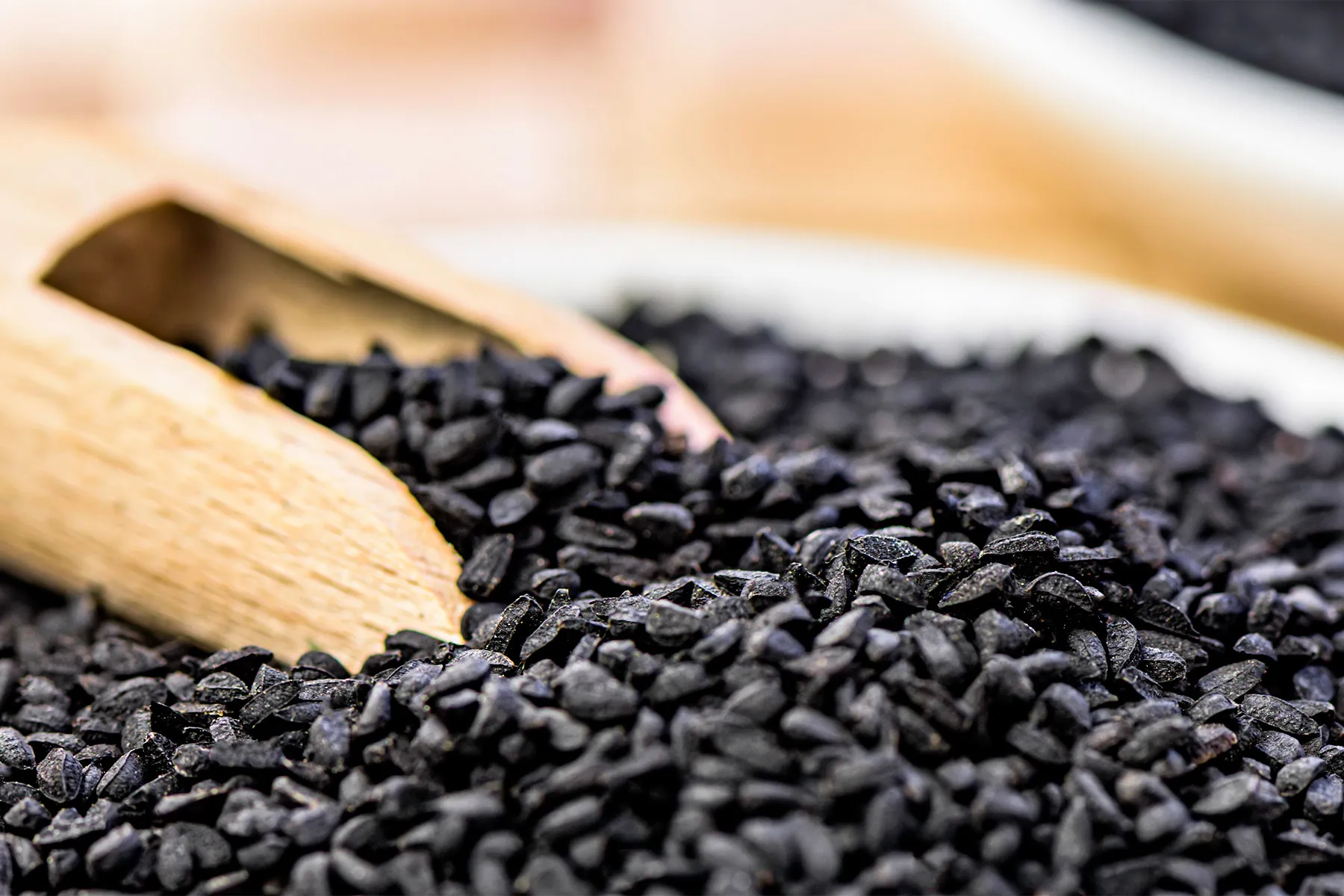
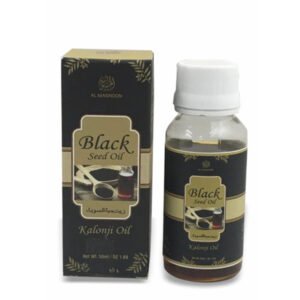
 Black seed comes from the Nigella sativa plant.
 Black seed strengthens:
 Helps with:
 Used for:
 Apply black seed oil on:
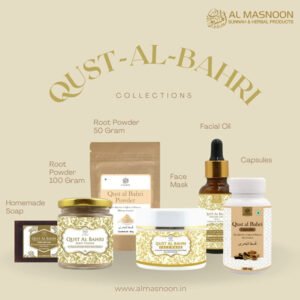 Qust al-Bahri (also called Qust al-Hindi when referring to the stronger, hotter type) is one of the few medicines directly recommended by the Prophet ﷺ for specific illnesses.
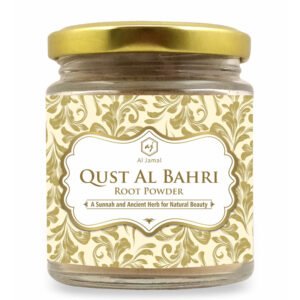 🌱 What Is Qust al-Bahri?
 ✔ 1. Heals Throat Infections & Tonsillitis
 ✔ 6. Pain Relief & Anti-Inflammatory
 ✔ 7. Helps with Skin Problems
 ⭐ Who Should Use Qust al-Bahri?